
What Is Somatic Yoga? Benefits, Techniques & Beginner Guide
Somatic yoga is a gentle, mindful approach that focuses on internal body awareness rather than perfect poses. Through slow movement, breathwork, and nervous system regulation, it helps release chronic tension, ease stress, and rebuild a kinder connection with your body - making it ideal for beginners, busy professionals, and anyone healing from pain or overwhelm.
What Is Somatic Yoga?
Somatic yoga blends yoga-inspired movement with somatic practices - methods that emphasize sensing and feeling from within. The word somatic comes from the Greek soma, meaning the living body as you experience it. Unlike performance-focused yoga, somatic yoga invites you to move slowly, notice sensations, and retrain habitual muscle patterns that may cause stiffness or discomfort.
What Does "Somatic" Mean?
In wellness contexts, somatic refers to practices guided by bodily sensation rather than external appearance. You learn to listen to subtle cues - tightness in the jaw, shallow breathing, guarded shoulders - and respond with gentle movement. This inside-out approach supports lasting change because the nervous system feels safe enough to let go of protective tension.
How Does Somatic Yoga Work?
Somatic yoga works by combining mindful movement with interoception - your ability to sense internal states. When you move slowly and with curiosity, the brain receives updated feedback about muscle length and joint position. Over time, this can reset overactive stress responses and release patterns held from injury, poor posture, or emotional strain. Breath anchors each movement, signaling safety to the vagus nerve and helping the body shift from fight-or-flight toward rest-and-digest.
Benefits of Somatic Yoga
Practitioners often report a wide range of benefits. Physically, somatic yoga can improve mobility, reduce muscle soreness, and support healthier posture without forceful stretching. Mentally, the slow pace calms racing thoughts and improves focus. Emotionally, it offers a grounded space to process stress - many people describe feeling softer, more present, and less reactive after even a short session.
Somatic Yoga vs Traditional Yoga: What's the Difference?
Traditional yoga classes often emphasize alignment, flow sequences, and holding postures for strength or flexibility. Somatic yoga prioritizes how movement feels over how it looks. There is less concern with achieving a perfect shape and more focus on micro-movements, pauses, and inquiry. Both can complement each other: traditional yoga builds structure and stamina, while somatic yoga deepens awareness and releases deep-held tension.
Who Should Try Somatic Yoga?
Somatic yoga is especially welcoming for beginners who feel intimidated by fast-paced classes. It suits seniors seeking gentle mobility work, desk workers with neck or back tension, and anyone managing stress, anxiety, or chronic pain. Because movements are adaptable, you can practice on a mat, in a chair, or even in bed.
Is Somatic Yoga Good for Trauma Recovery?
Many trauma-informed therapists recommend somatic practices because they emphasize choice, pacing, and bodily agency. Somatic yoga is not a substitute for professional mental health care, but it can support regulation when taught with sensitivity. Always move at your own pace, skip anything that feels overwhelming, and consider working with a certified somatic or trauma-informed instructor if you have a complex history.
Common Somatic Yoga Techniques
A typical somatic yoga session may include diaphragmatic breathing, body scanning from head to toe, pandiculation (slow contraction and release of muscles), and mindful joint rotations. Movements are often repeated in small ranges to re-educate the neuromuscular system. Props like bolsters, blankets, and blocks are optional - comfort and sensation guide the practice.
Beginner-Friendly Somatic Yoga Poses
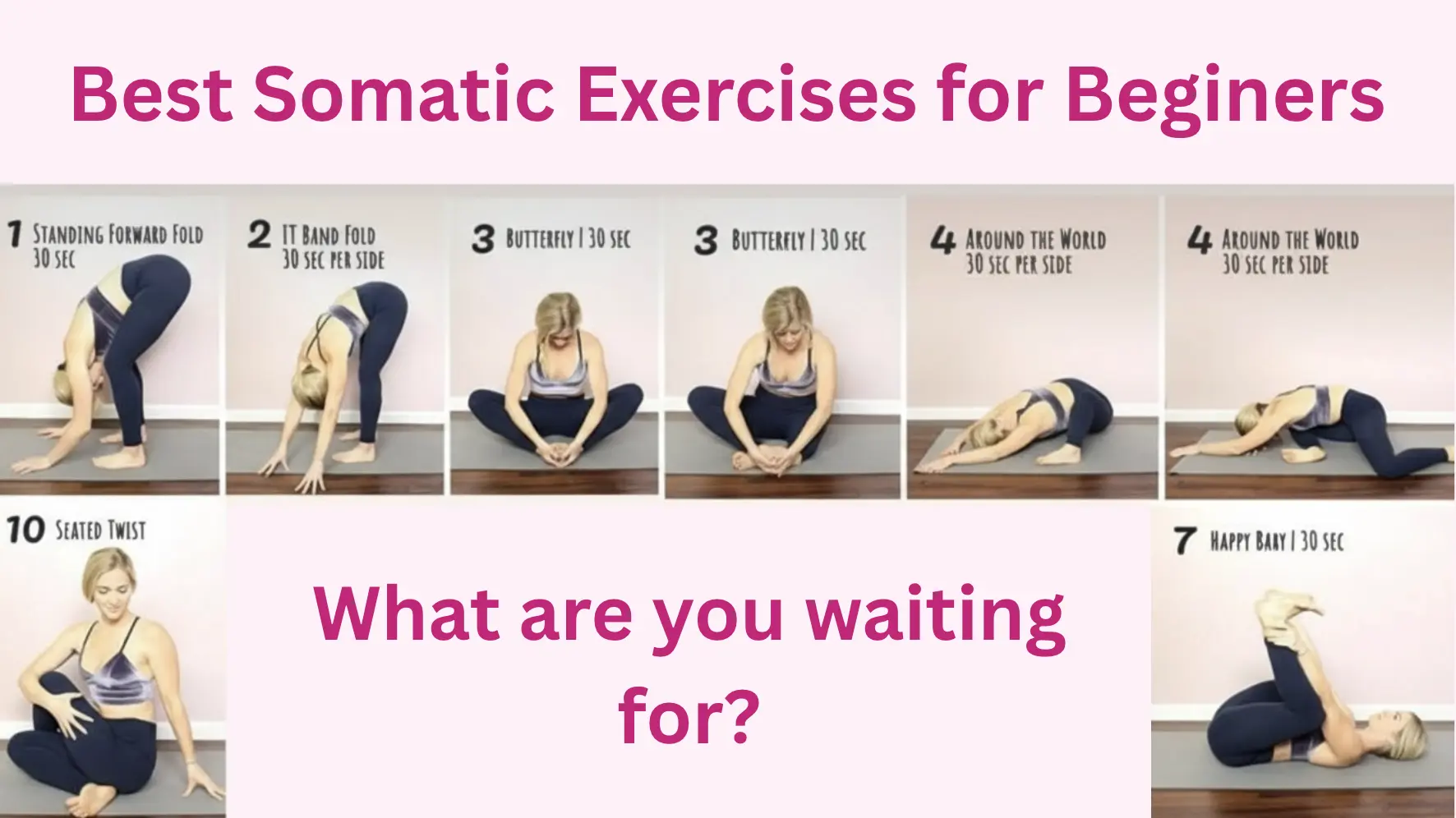
Start with these accessible exercises: Supine knee drops - lie on your back and slowly lower bent knees side to side while breathing deeply. Cat-cow with micro-movements - arch and round the spine in tiny, controlled ranges. Shoulder circles - lift, roll back, and release shoulders with awareness. Pelvic tilts - gently rock the pelvis to mobilize the lower back. Child's pose with props - rest forehead on stacked hands or a bolster for grounding.
How to Practice Somatic Yoga at Home
Create a quiet corner with a mat and optional props. Begin with five to ten minutes daily rather than long sporadic sessions. Dim lights, silence notifications, and use a simple playlist or natural sound if it helps you focus. Follow a consistent sequence - breath, scan, gentle movement, rest - so your body learns the rhythm of safety.
How Often Should You Practice Somatic Yoga?
Most beginners benefit from three to five short sessions per week. Even five minutes counts. Consistency matters more than duration - regular practice trains the nervous system to recognize calm as familiar.
What Equipment Do You Need for Somatic Yoga?
You need very little: a comfortable surface, loose clothing, and optionally a yoga mat, bolster, blanket, or pillow. A chair is useful for seated variations. No special gear is required to begin.
Can You Do Somatic Yoga Every Day?
Yes - daily gentle practice is safe for most people because intensity stays low. Listen to your body and take rest days if you feel fatigued or sore. Somatic yoga should feel nourishing, not depleting.
Can Somatic Yoga Help with Stress and Anxiety?
Stress and anxiety often live in the body as shallow breathing, clenched jaws, or tight hips. Somatic yoga addresses these signals directly by lengthening the exhale, softening the belly, and moving in ways that discharge tension without overwhelm. Over weeks, many practitioners notice improved sleep, steadier mood, and a greater sense of control during stressful moments.
Somatic Yoga for Pain Relief and Flexibility
Chronic back pain, neck stiffness, and hip tightness often stem from muscles that stay partially contracted - a protective habit the brain maintains long after the original injury. Somatic yoga uses slow release techniques to remind muscles they can fully relax. Flexibility improves not by forcing stretches, but by restoring natural range through mindful re-patterning.
Tips for Beginners Starting Somatic Yoga
Move slower than you think necessary. Close your eyes when it feels safe to deepen interoception. Avoid comparing yourself to others or to social media poses. Journal one sensation you noticed after each session. Stay curious rather than judgmental - the goal is awareness, not achievement.
Somatic Yoga Mistakes to Avoid
Common pitfalls include rushing through movements, pushing into pain, skipping rest at the end, and expecting instant results. Another mistake is treating somatic yoga like a workout - it is a nervous system practice first. If a movement increases pain or anxiety, pause, breathe, and modify or stop.
Final Thoughts: Is Somatic Yoga Right for You?
If you crave a yoga practice that honors your body's wisdom, somatic yoga may be exactly what you need. It meets you where you are - tired, tender, beginner, or healing - and offers a path toward ease without pressure. Start small, stay consistent, and notice how your relationship with movement begins to change.
Best Online Resources for Learning Somatic Yoga
Look for certified somatic movement teachers, trauma-informed yoga instructors, and reputable platforms offering slow-flow or somatic-focused classes. Read reviews, preview a free class, and choose teachers who emphasize consent, pacing, and modification. Books on somatic experiencing and mindful movement can also deepen your understanding alongside live or recorded classes.