
Delhi NCR Under GRAP 1: Graded Response Action Plan Explained
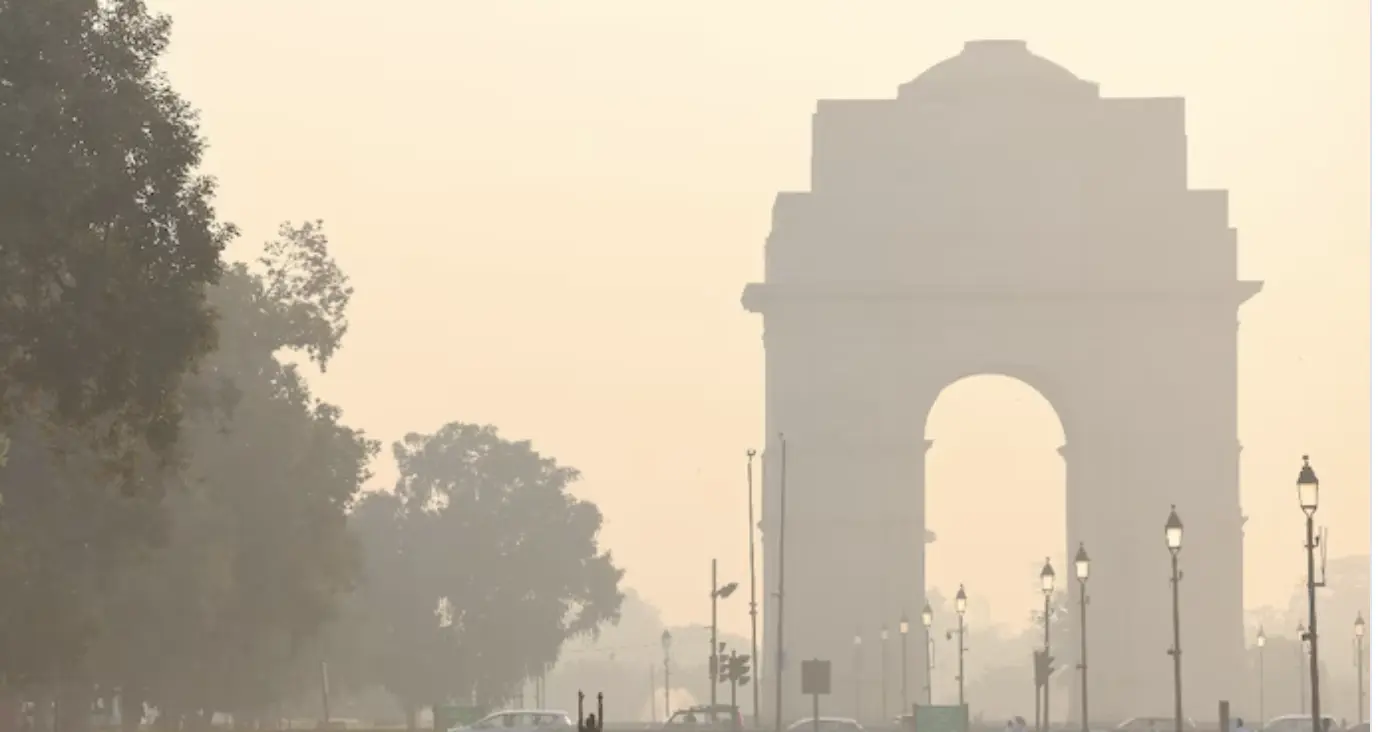
When winter smog returns, headlines announce that Delhi NCR is under GRAP 1 - the first stage of India's Graded Response Action Plan for air pollution. GRAP ties emergency measures to real-time AQI so governments can slow down pollution before air becomes hazardous. This guide explains what GRAP 1 means, why the National Capital Region triggers it, what changes for residents, and how to protect your health while staying informed about live AQI in Delhi, Noida, Ghaziabad, and nearby cities.
What Is GRAP (Graded Response Action Plan) in Delhi NCR?
GRAP is a set of pre-approved pollution-control actions that kick in as the Air Quality Index (AQI) crosses specific thresholds. It was designed for Delhi and the National Capital Region (NCR) - including parts of Uttar Pradesh and Haryana - where winter inversion, traffic, dust, and crop-residue burning regularly push PM2.5 into unhealthy ranges. Instead of debating new rules during every smog crisis, authorities follow a graded playbook: Stage 1 (GRAP 1) starts at relatively lower AQI bands, and higher stages add stricter curbs on construction, vehicles, and industry.
Who Implements GRAP in Delhi NCR?
The Commission for Air Quality Management (CAQM) coordinates GRAP across Delhi NCR. State pollution boards, municipal corporations, transport departments, and police enforce specific measures such as dust-control at construction sites, checks on polluting vehicles, and restrictions on diesel generators. Public awareness - checking AQI before outdoor plans - supports compliance.
Why Is Delhi NCR Under GRAP 1 Right Now?
Delhi NCR moves into GRAP 1 when AQI enters the 'poor' to 'very poor' band (commonly around AQI 201-300 on the national scale, with exact triggers updated by CAQM). Cooler weather, calm winds, and post-harvest stubble burning west of the capital send extra smoke into the region. Construction dust, vehicular exhaust, and industrial emissions add to the mix. When monitors across Delhi, Noida, Ghaziabad, and Faridabad show sustained poor readings, GRAP 1 is declared so preventive steps begin before air hits severe or emergency levels.
How Is GRAP 1 Linked to AQI Readings?
AQI is calculated from pollutants such as PM2.5 and PM10. GRAP stages are tied to those index values - not to a single headline from one app. That is why checking today's AQI for your city matters: the same smog day may show slightly different numbers by neighbourhood, but the regional trend triggers GRAP. Use live AQI pages for Delhi and NCR cities to see PM2.5, PM10, and the health category alongside official GRAP alerts.
What Are the Different Stages of GRAP (1, 2, 3, and 4)?
GRAP has four main stages, each adding pressure as air quality worsens. Stage 1 focuses on dust control and early warnings. Stage 2 tightens construction and waste-burning rules. Stage 3 restricts vehicle categories and industrial operations. Stage 4 is the emergency band - often called 'severe+' or 'severe plus' - with the strictest limits on movement and industry. Exact thresholds are revised by CAQM; always follow current government notifications alongside AQI.
GRAP 1 (Stage I) - Entry-Level Actions
GRAP 1 is activated when air is poor but not yet at severe crisis levels. Typical measures include intensified mechanical sweeping, water sprinkling on roads, strict enforcement of dust-control norms at construction and demolition sites, bans on open burning of waste, and public advisories for sensitive groups to reduce outdoor exertion. Diesel generator use may face tighter scrutiny in certain zones.
GRAP 2 (Stage II) - Very Poor Air
When AQI slips into 'very poor' territory, GRAP 2 adds measures such as limits on diesel trucks entering Delhi, stronger construction curbs, and recommendations for hybrid or work-from-home arrangements in some sectors. Brick kilns and polluting industries face closer monitoring.
GRAP 3 and GRAP 4 - Severe and Emergency
GRAP 3 often includes bans on construction, restrictions on BS-III petrol and BS-IV diesel cars in Delhi, and school or outdoor-event advisories. GRAP 4 - triggered at severe-plus AQI - may bring truck entry bans, shutdown of non-essential construction, and other emergency steps until air improves. These stages are rare but memorable; media coverage of 'Delhi AQI 400+' usually coincides with GRAP 3 or 4.
What Restrictions Apply Under GRAP 1 in Delhi NCR?
Under GRAP 1, residents notice more road sweeping and water sprinkling, stricter checks on construction dust (netting, covering material, no open burning), and campaigns against garbage fires. Polluting vehicles may be fined. Schools and offices are not usually closed at Stage 1, but children, seniors, and people with asthma are advised to cut outdoor sports and peak-hour walks. There is no blanket ban on private cars in GRAP 1 - that appears in higher stages.
Construction and Road Dust Under GRAP 1
Construction sites must follow dust-suppression rules: covering loose soil, using anti-smog guns where required, and limiting demolition without permits. Violations can lead to stop-work orders. If you live near a site, keep windows closed during high-wind dusty hours and run an air purifier indoors.
Vehicles, Generators, and Industry
Authorities increase checks on visibly polluting vehicles and illegal diesel gensets. Some industrial units may face staggered operations in later stages; GRAP 1 is mainly preparatory. Carpooling and metro use still help reduce local congestion even when not legally mandated.
How Does GRAP 1 Affect Your Health and Daily Routine?
GRAP 1 is a warning phase for your lungs and heart, not only for policymakers. PM2.5 during poor AQI days penetrates deep into the respiratory system. Symptoms include coughing, burning eyes, headaches, and fatigue. Pregnant women, children, and anyone with COPD or cardiovascular disease should treat GRAP 1 as a signal to wear N95/N99 masks outdoors, exercise indoors, and delay non-essential travel in heavy traffic corridors.
Should You Exercise Outdoors During GRAP 1?
Light walking with a mask may be acceptable for healthy adults when AQI is at the lower end of GRAP 1. Jogging, cycling, or sports for children are better moved indoors or rescheduled to midday when inversion is sometimes weaker. Check hourly AQI - mornings after Diwali or during stubble season are often the worst.
Indoor Air Quality Tips During GRAP
Close windows during peak smog, use HEPA purifiers, and avoid incense or indoor burning. Wipe floors instead of sweeping to reduce resuspended dust. Hydrate well and monitor symptoms; seek medical advice if breathing difficulty persists.
GRAP 1 vs GRAP 2: What Changes When Air Gets Worse?
The jump from GRAP 1 to GRAP 2 means AQI has stayed 'very poor' and requires stronger intervention. Expect tougher truck rules, more construction pauses, and stronger public health messaging. Employers may encourage remote work. If you track AQI daily, plan for GRAP 2 when readings remain above roughly 300 on the national index for a sustained period - always confirm with CAQM's latest GRAP notification.
Will Schools Close Under GRAP 1?
Full school closures are uncommon in GRAP 1 and more often discussed under GRAP 3 or 4. Some schools may limit outdoor assemblies or sports. Parents should follow district announcements and use AQI apps or city-specific AQI pages before sending children for outdoor activities.
How to Track AQI and GRAP Alerts Together
GRAP decisions follow official AQI monitoring. Bookmark government dashboards (CPCB, SAFAR for Delhi) and open-data sources. On Fit Sphere Life you can find the AQI of your city on our Find AQI of Your City page, with live-style readings for Delhi, Noida, Ghaziabad, and Lucknow - useful when comparing NCR pollution with headlines about GRAP 1. Pair AQI numbers with CAQM press releases so you know both the science and the rules in effect.
Why Delhi and Noida AQI May Differ on the Same GRAP Day
NCR cities share regional smoke but local traffic and industry create hotspots. Noida may read slightly better or worse than central Delhi depending on wind. GRAP applies region-wide, so even if your neighbourhood monitor is lower, regional GRAP stages still apply.
What Can Residents Do During GRAP 1 in Delhi NCR?
Individual actions add up: avoid burning leaves or trash, service vehicle emissions, choose metro or carpool, and support dust-control at home renovations. Report illegal construction burning through municipal helplines. Advocate for tree cover and cleaner fuels in your colony. Most importantly, protect vulnerable family members and do not treat GRAP 1 as 'only mild' smog - cumulative exposure still harms health.
Long-Term Wellness During Pollution Season
Build habits before severe stages: indoor workout options, stocked masks and purifier filters, and a smog-season meal plan rich in antioxidants from whole foods. Mental health matters too - grey skies affect mood; gentle yoga, breathwork, and screen breaks support resilience when outdoor life is limited.
Final Thoughts: Living With GRAP in Delhi NCR
Delhi NCR under GRAP 1 is a call to act early - for governments and for families. Understanding the Graded Response Action Plan helps you read news calmly, comply with dust and burning rules, and prioritize health. Stay updated on AQI, know which GRAP stage is active, and use each winter to build safer routines until cleaner air policies and regional cooperation bring more good-air days to the capital region.